Classical mechanics: Newtonian Gravity

Classical mechanics describes the motion of macroscopic objects and the effects of forces, on the motion of macroscopic objects, without considering quantum and relativistic effects.

Explore the laws of gravity with this suite of free interactive simulations

Key Simulations Included:
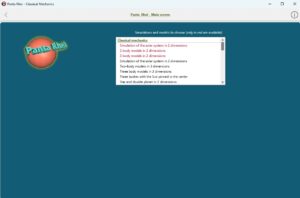
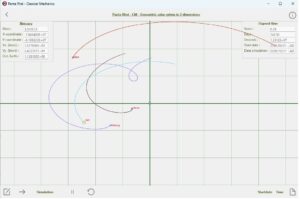
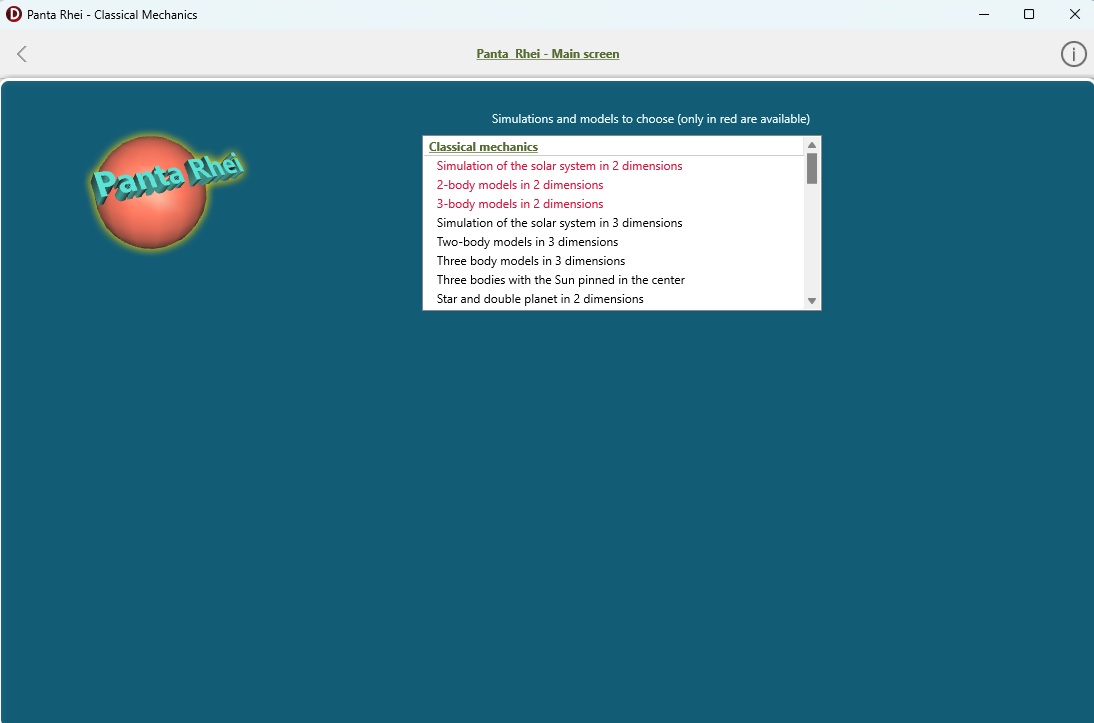
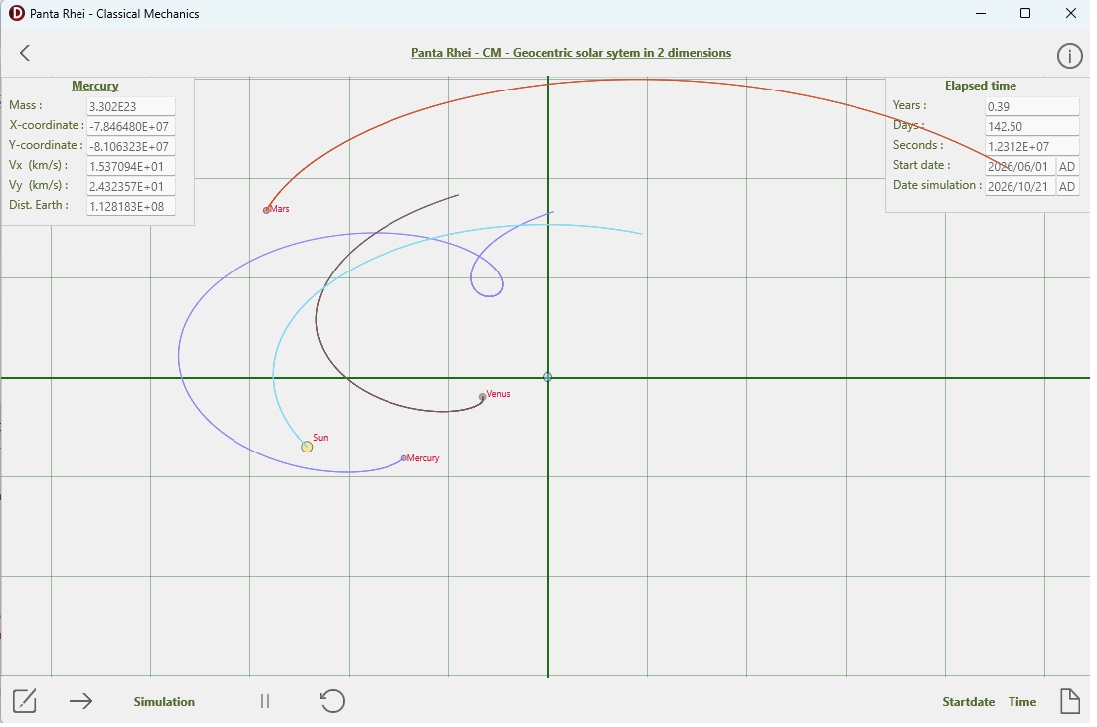
Solar System: Heliocentric and geocentric models in 2D and 3D.
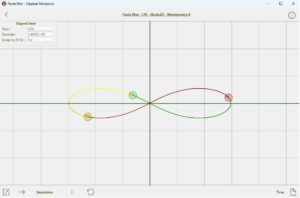
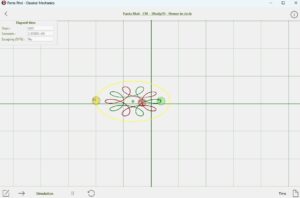
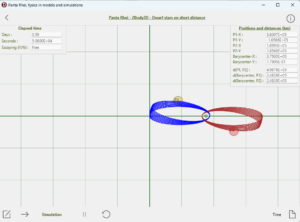
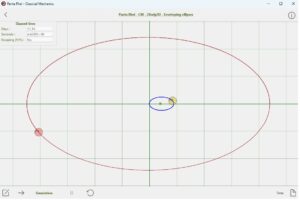
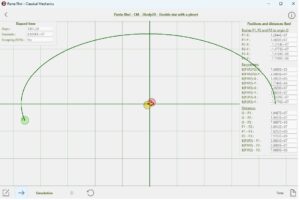
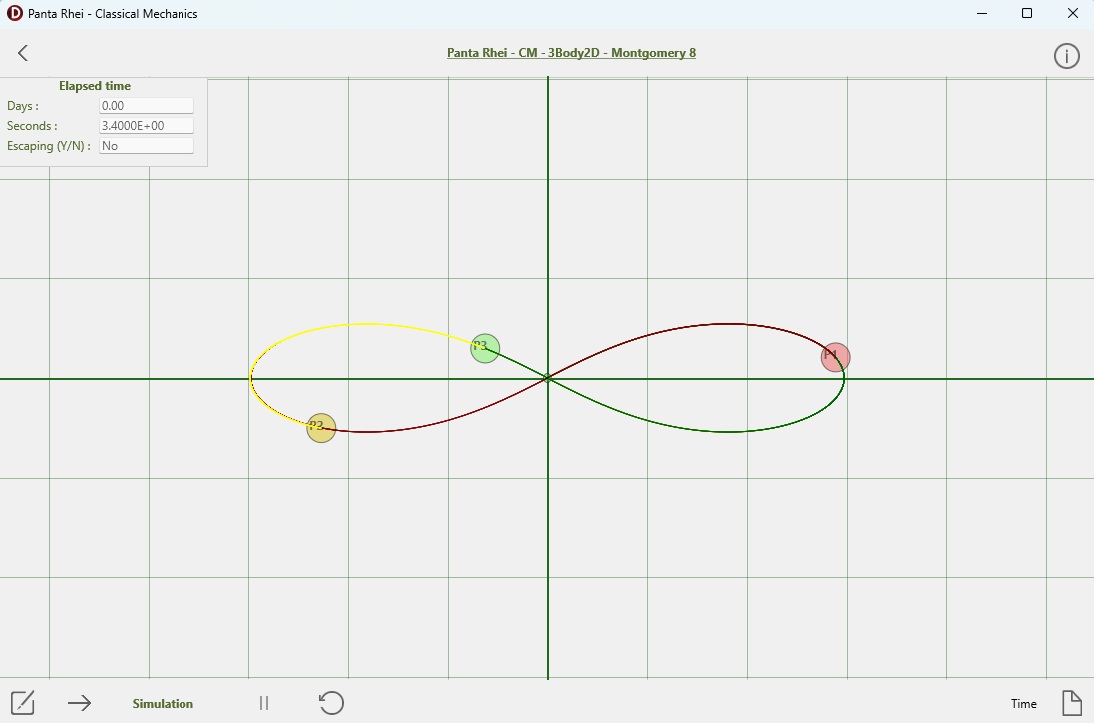
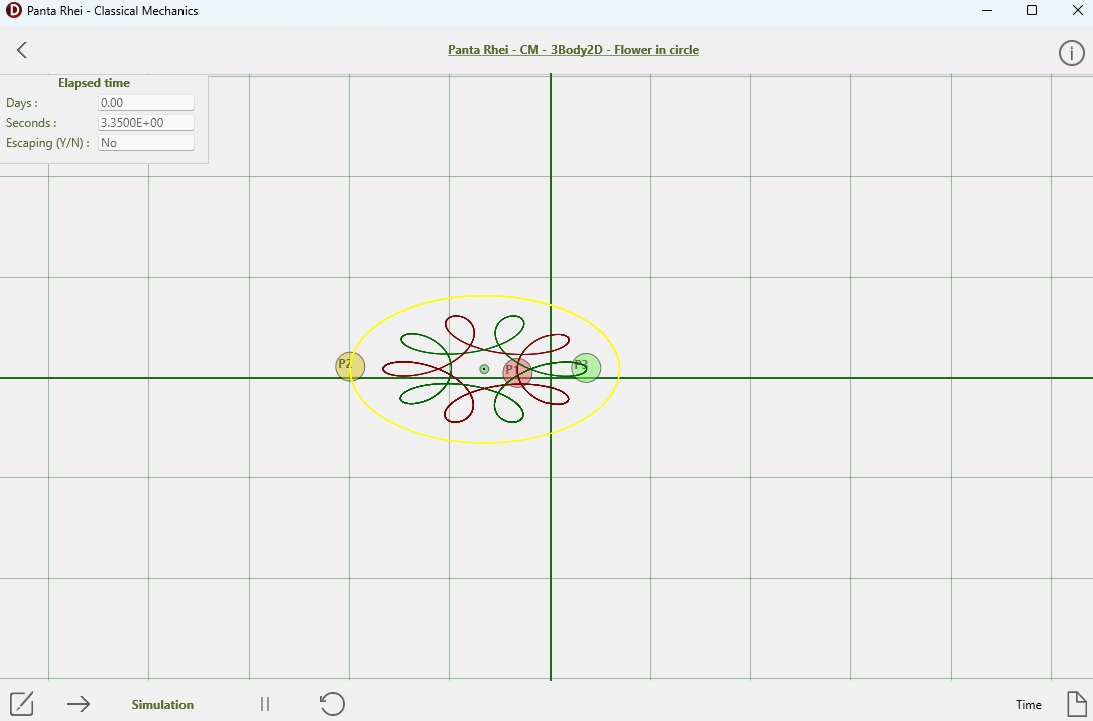
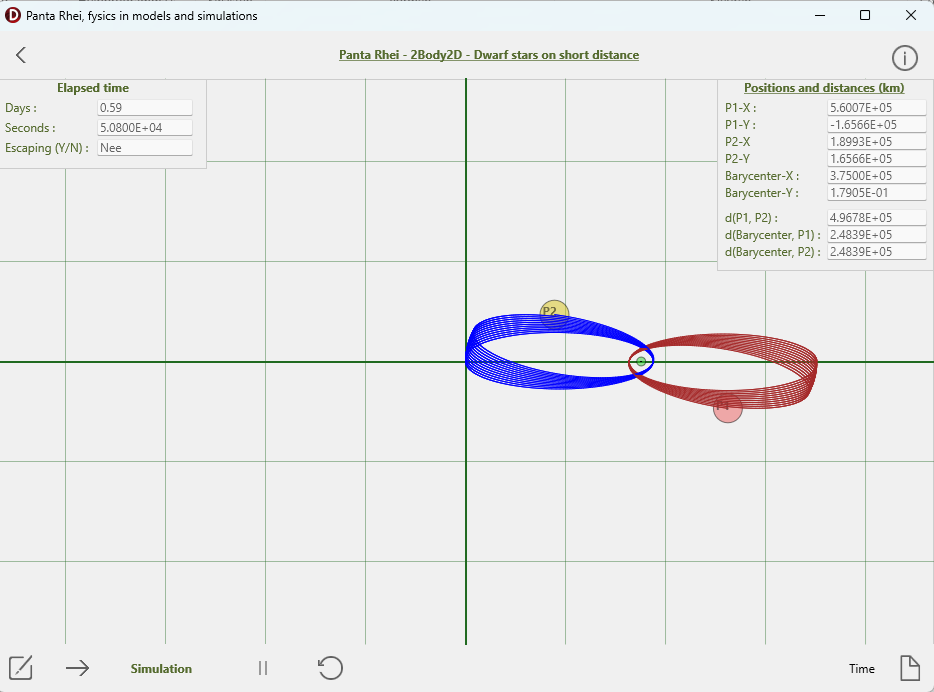
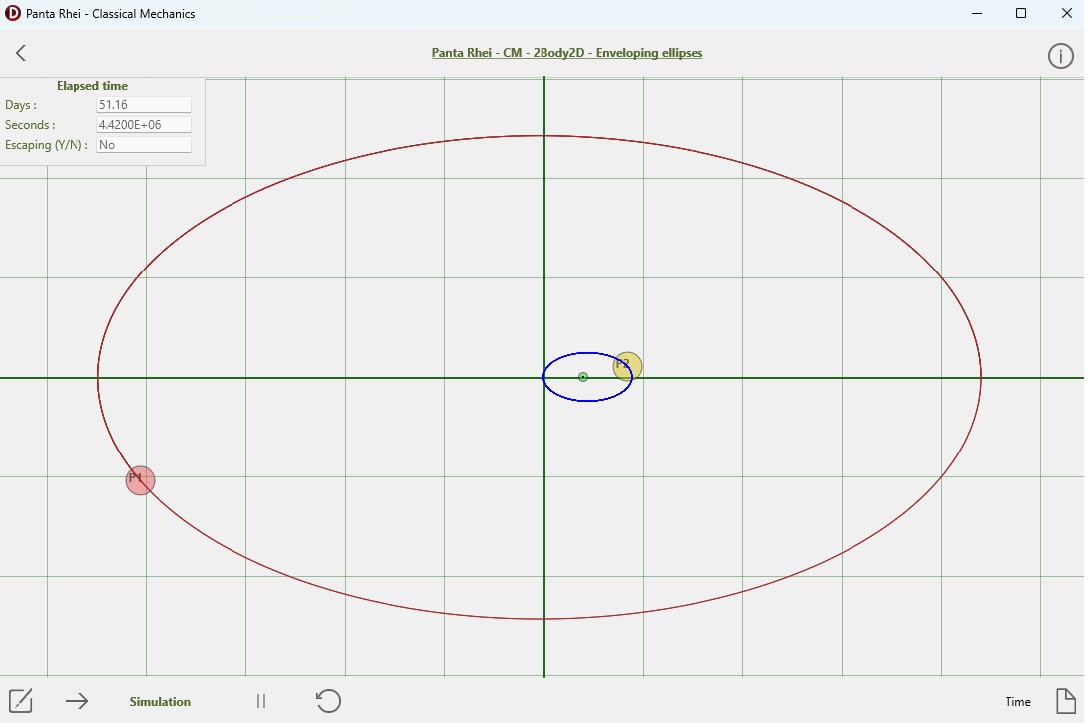
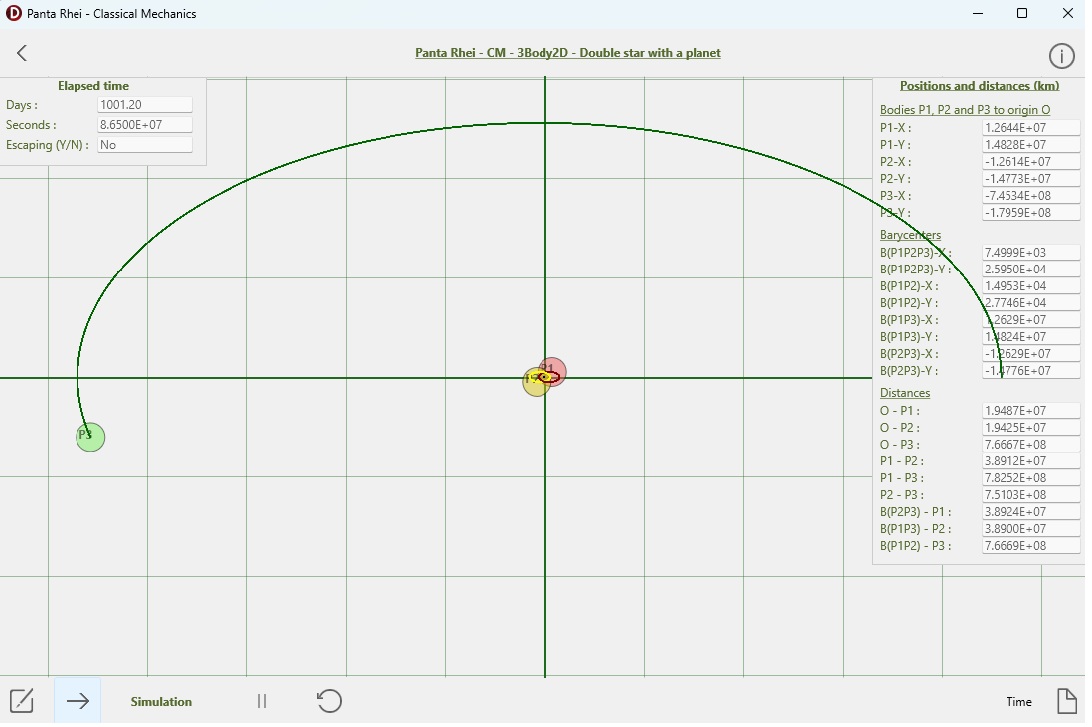
N-Body Models: Accurate simulations of two-body and three-body systems.
NASA Data: Real planetary positions and velocities (ephemeris) sourced from NASA’s Jet Propulsion Laboratory.

Experience Physics in Practice
The app is designed to be intuitive and self-explanatory, with a brief guide included for each simulation. By interacting with the models, you can experience firsthand how Newton’s laws govern the motion of the heavens.

Ready to explore? Download the Classical Mechanics app below.
Unsure if this file is safe to download? Read the security notes here

classicalmechanics


Interactive simulation directly in your browser
The rapid progress in AI is changing the way software can be developed. What previously required days of programming can now be achieved in a matter of hours — working interactively with AI as a coding partner.
As an example: the Solar System simulation from the Classical Mechanics app was rebuilt — with the help of Claude, Anthropic’s AI assistant — as a fully standalone HTML page in less than a morning. It runs directly below — no download or installation required.
All physics, initial conditions and parameters are almost identical to the Windows version.
Going forward, I will increasingly explore what AI can contribute to the development of more complex simulations — and where its current limitations lie. The solar system model is a first example; it will be interesting to see how far this approach can be taken with the more demanding physics in the other chapters of this collection.